The Importance of Play-Based Learning
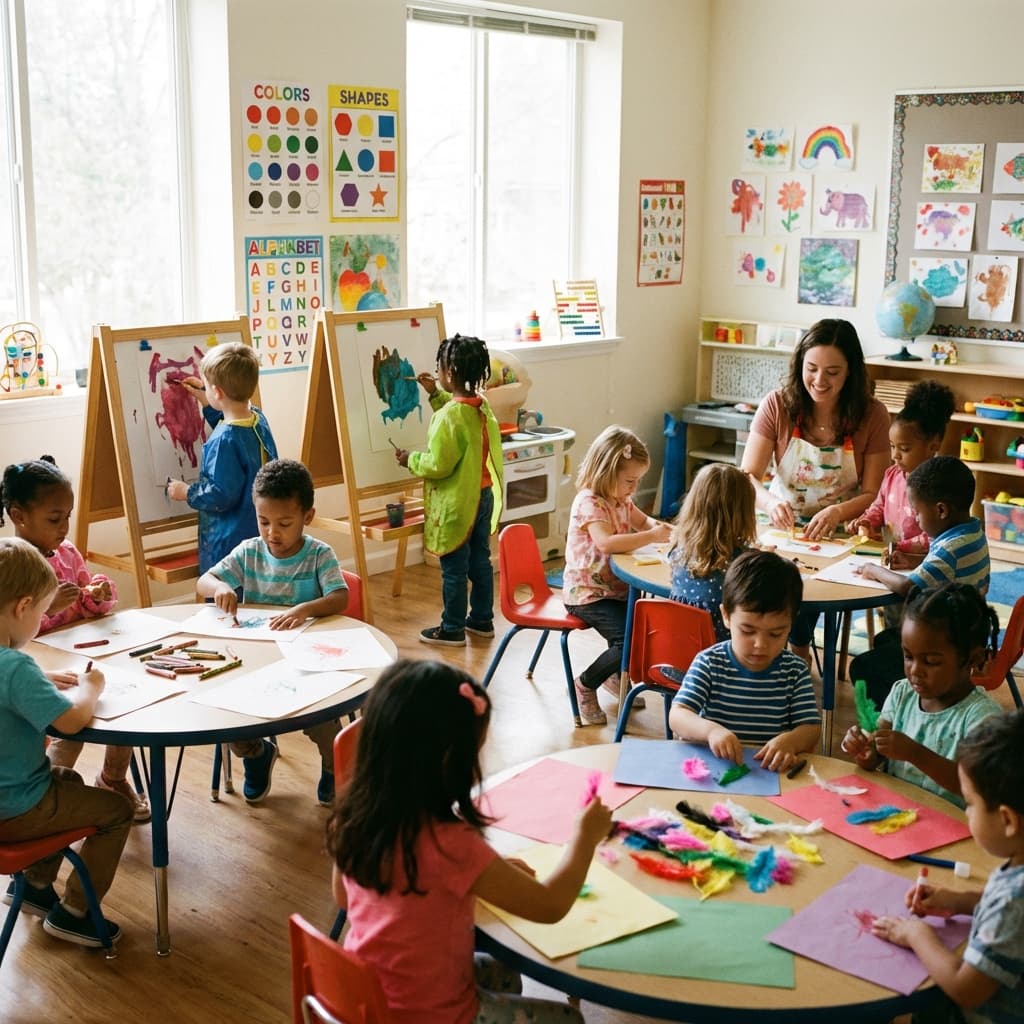
Play is not a break from learning in early childhood; it is the learning. Here is how meaningful play helps toddlers grow.
If you ask a toddler what they learned today, you may hear, “I played!”
That is wonderful news. In early childhood, play is one of the strongest ways the brain develops language, focus, and social confidence.
Why Play Works So Well
When children play, they are naturally curious. They test ideas, solve tiny problems, and repeat actions until they understand how things work.
A few examples:
- Building blocks supports planning and fine motor skills
- Pretend play grows language and imagination
- Group games teach turn-taking and empathy
- Sensory play improves focus and self-regulation
Play + Guidance = Strong Learning
Play-based learning is not random. Teachers observe, ask questions, and gently introduce new challenges at the right time.
Instead of saying “do it this way,” we might ask:
- “What do you think will happen if we add one more block?”
- “How can we help your friend join your game?”
These little prompts build thinking and kindness together.
What Parents Can Do At Home
You do not need fancy toys. Everyday moments are enough:
- Let your child help sort laundry by color
- Turn snack time into counting practice
- Read the same favorite story again and again
- Give unhurried time for free play
When children feel safe, seen, and playful, learning happens beautifully.